Design of Experiment
01Generate samples for model exploration, sensitivity analysis, inference, and surrogate model training.
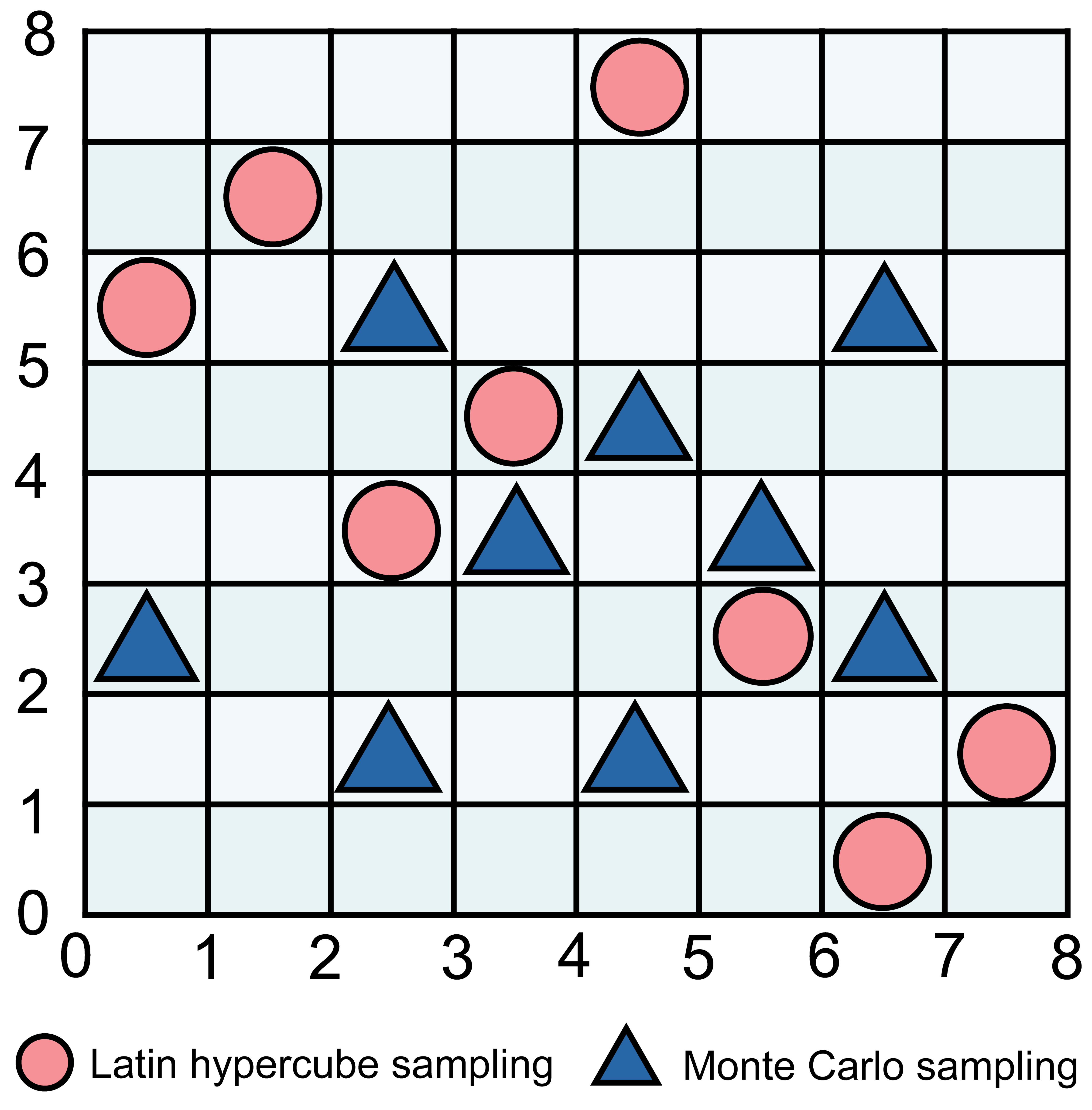
LHSSobolSaltelli
View
Uncertainty Quantification, Calibration and Optimization in Python
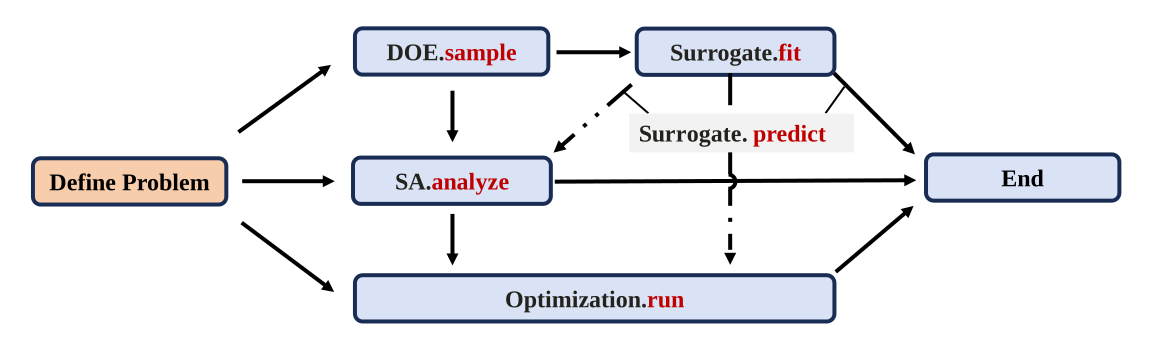
UQPyL starts from a reusable problem definition, then connects sampling, analysis, inference, surrogate modelling, calibration, and optimization around the same interface.
Wrap variables, bounds, objectives, constraints, or simulations into one shared entry point.
Problem/ModelProblemPass the same problem into DOE, analysis, optimization, inference, calibration, or surrogate modules.
DOE/Analysis/Optimization/Inference/Calibration/SurrogateRead standard result objects or inspect saved runtime records.
verbose/log/save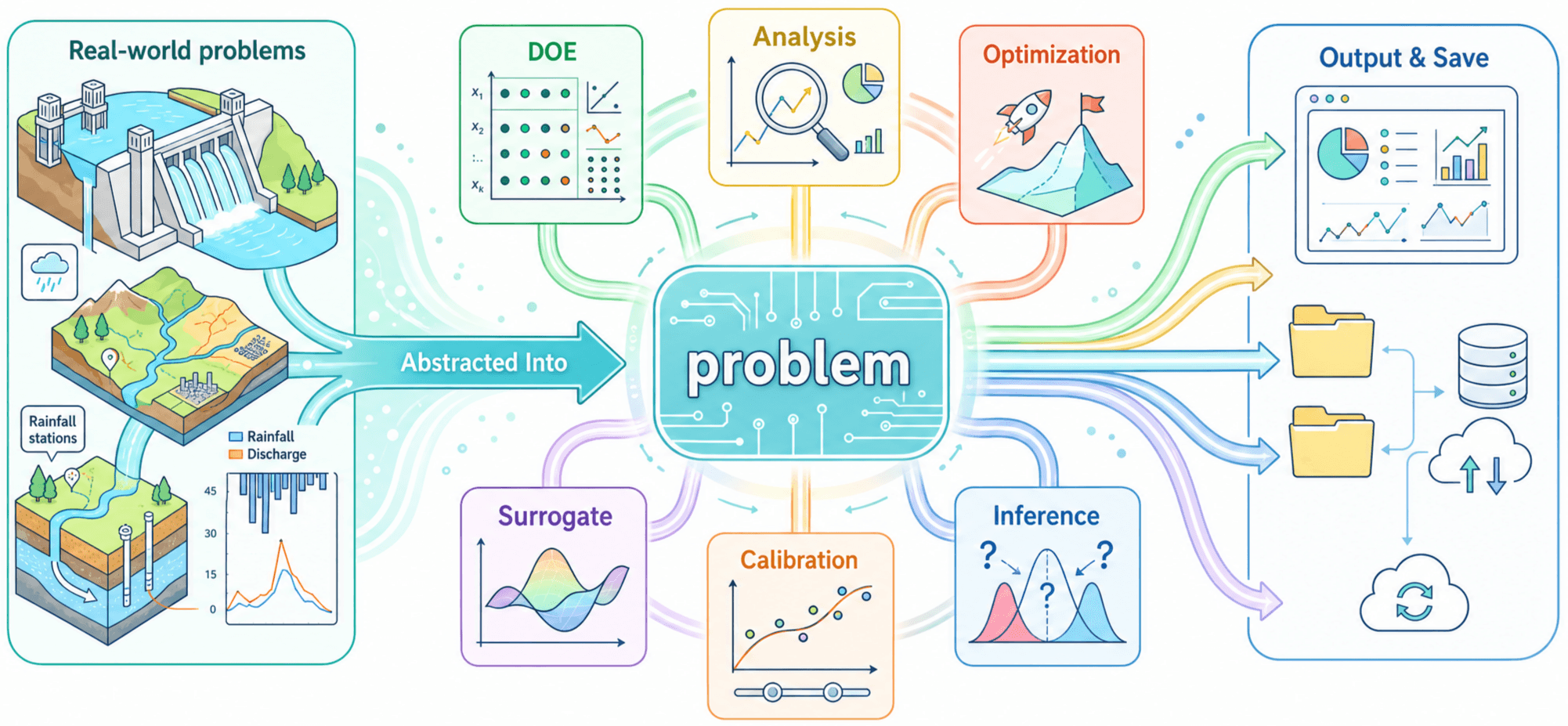
Each module covers one part of the uncertainty quantification, calibration, and optimization workflow.
Generate samples for model exploration, sensitivity analysis, inference, and surrogate model training.
Approximate expensive models and accelerate analysis or optimization workflows.
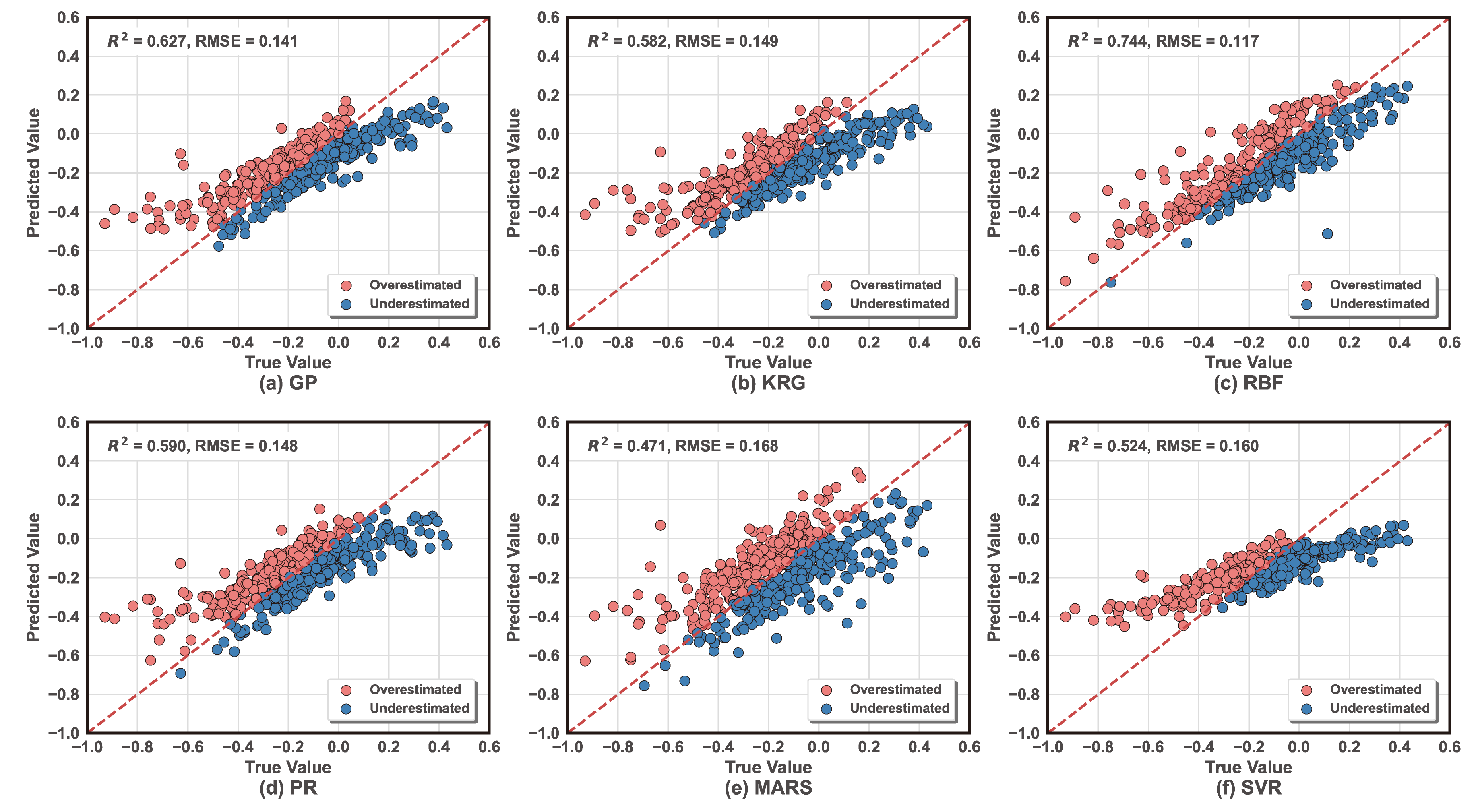
Quantify how input uncertainties influence outputs and identify important variables.
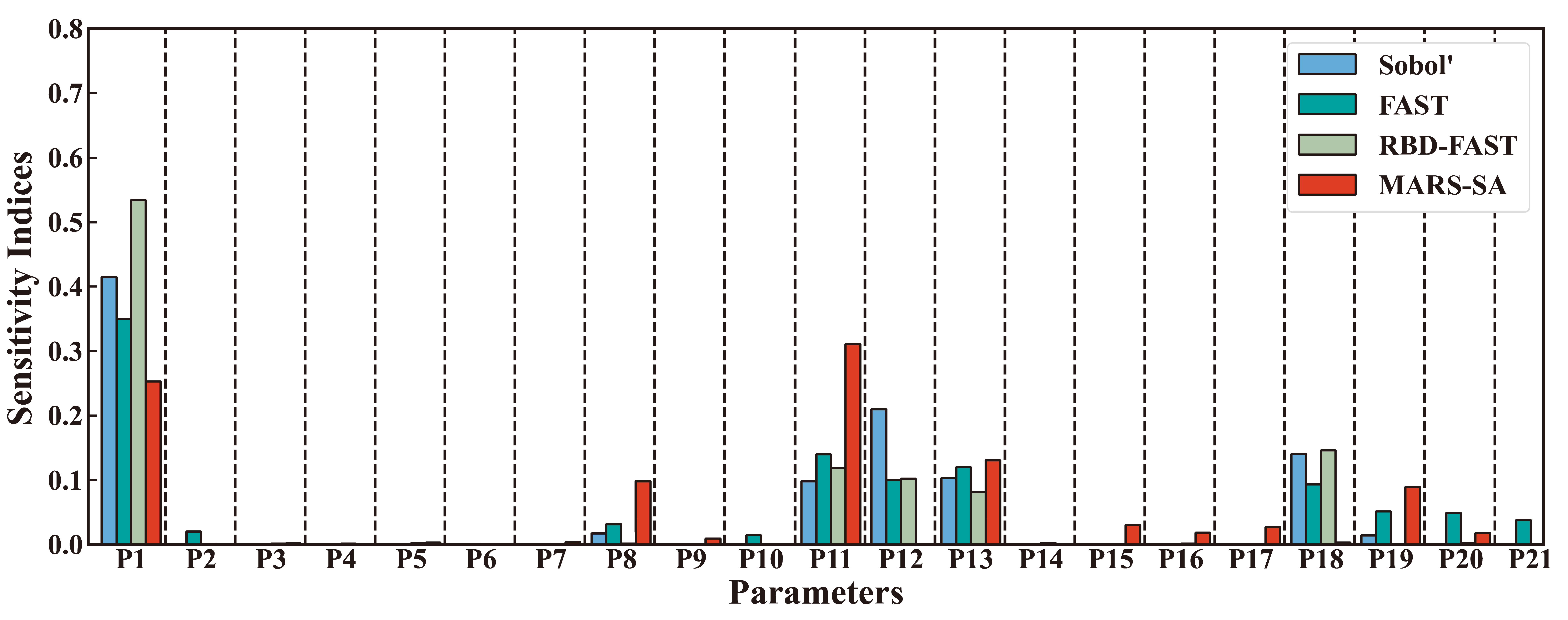
Estimate uncertain parameters and posterior distributions with Bayesian sampling methods.
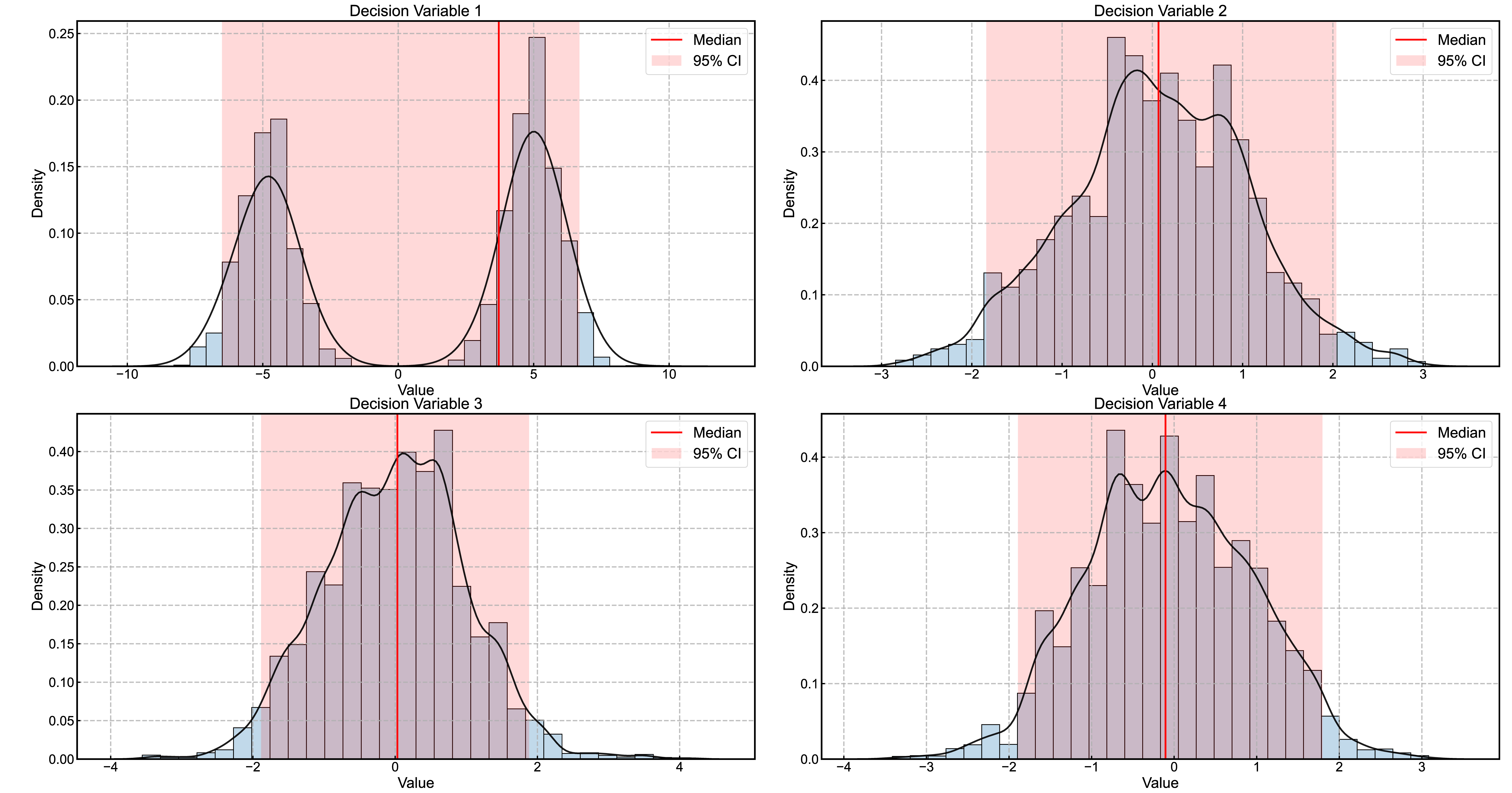
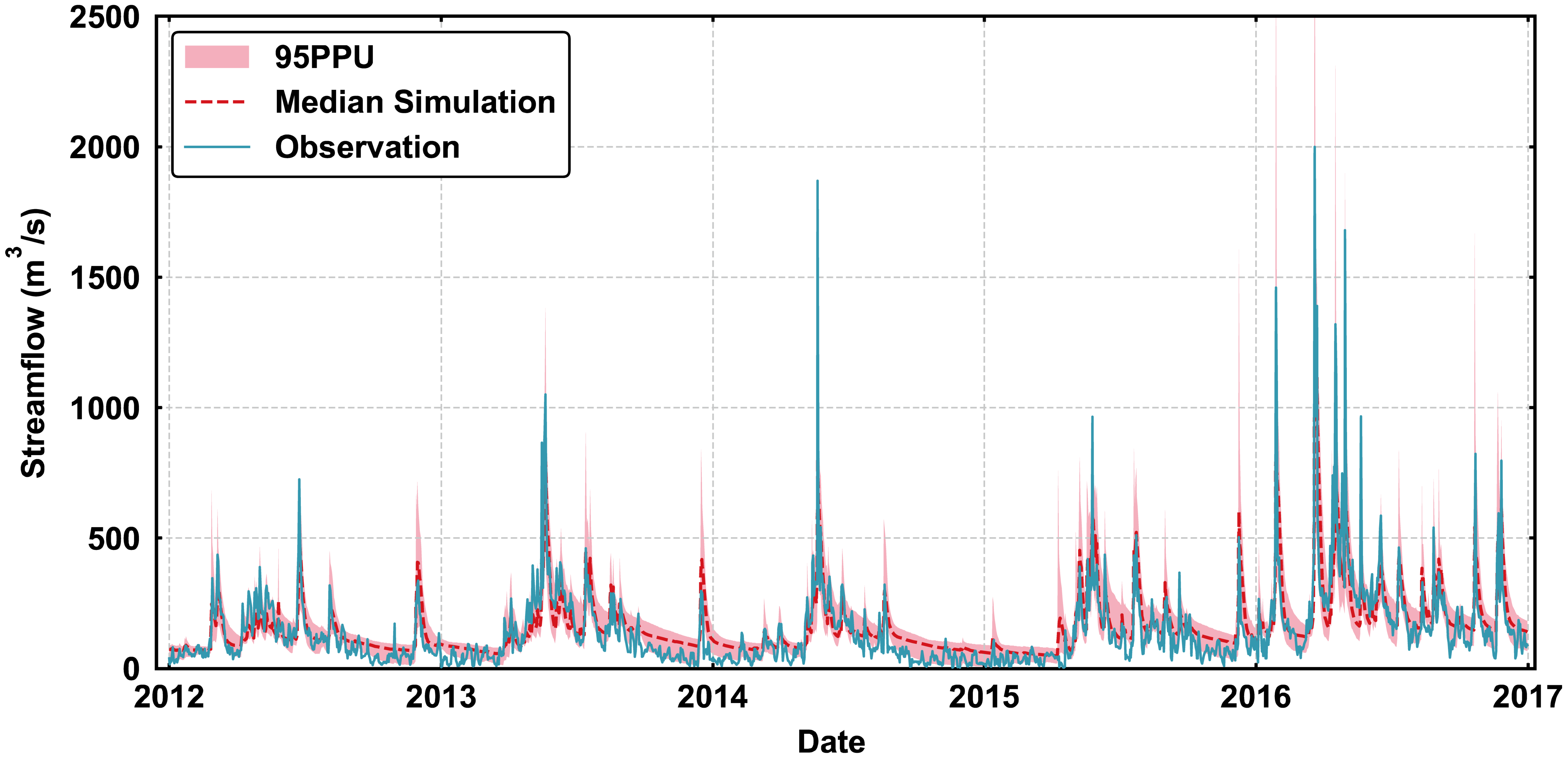
Calibrate model parameters and support hydrological or external-model workflows.
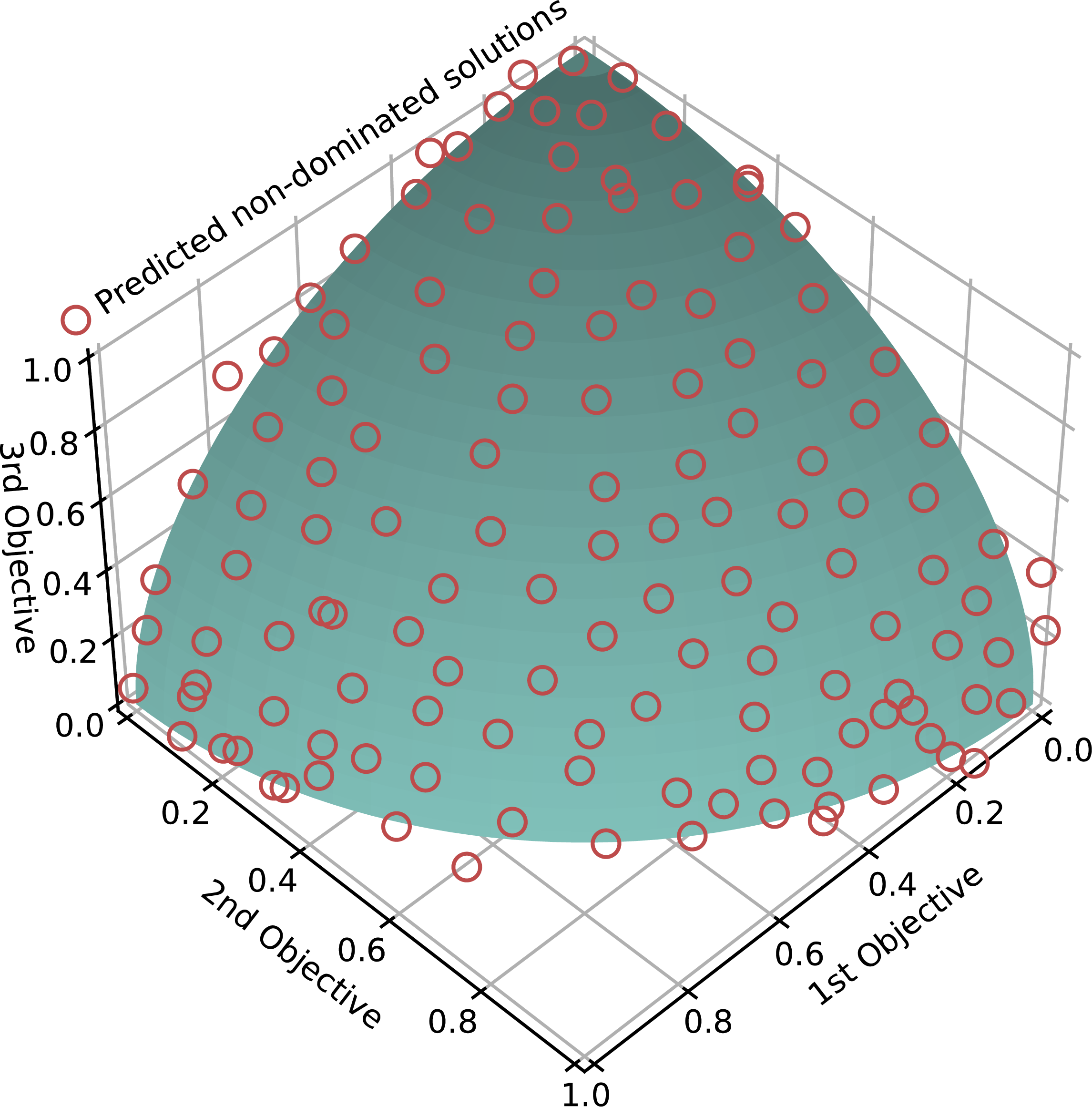
Search for optimal decisions with single-objective, multi-objective, and surrogate-assisted algorithms.
Representative studies across hydrological calibration, surrogate-assisted optimization, and connected uncertainty workflows.
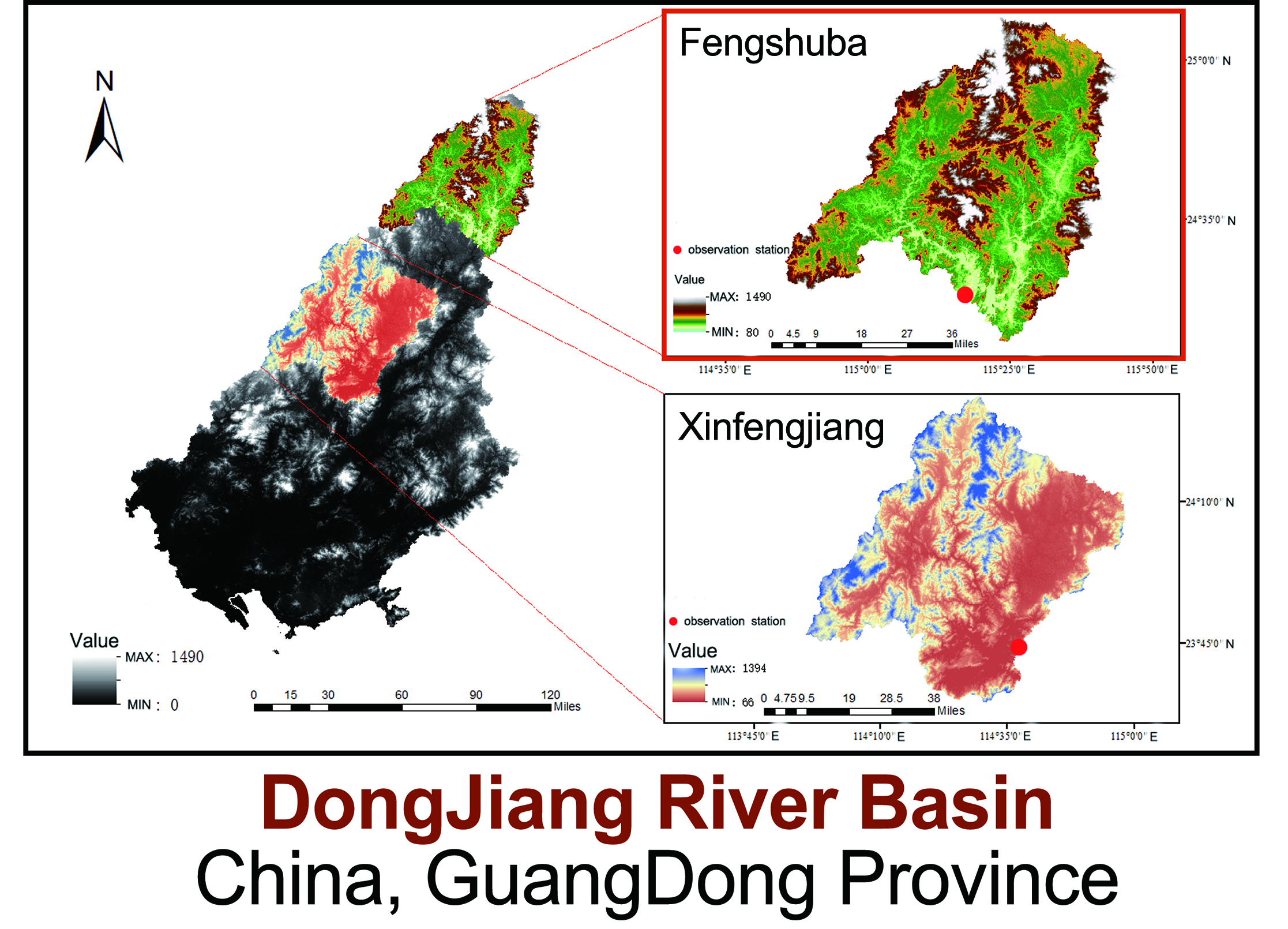
Hydrological model calibration with sensitivity analysis and uncertainty evaluation.
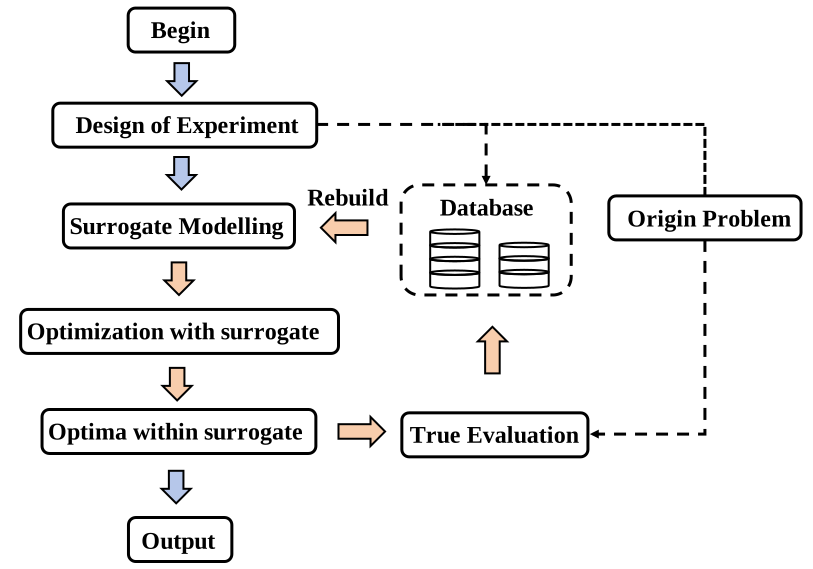
Optimization under expensive simulation settings with adaptive surrogate modelling.
A compact end-to-end view of how problems, modules, and workflows connect in practice.
Use the homepage as the main documentation gateway.